
SEVEN Bucky and Bing
This to me is the most confusing chapter.
The majority of the chapter is devoted to ideas and discoveries arising out of Buckminster Fuller’s observations. Fuller discovered that a bubble, or a dome could withstand the greatest load and contain more space, and require less material than any other structure.
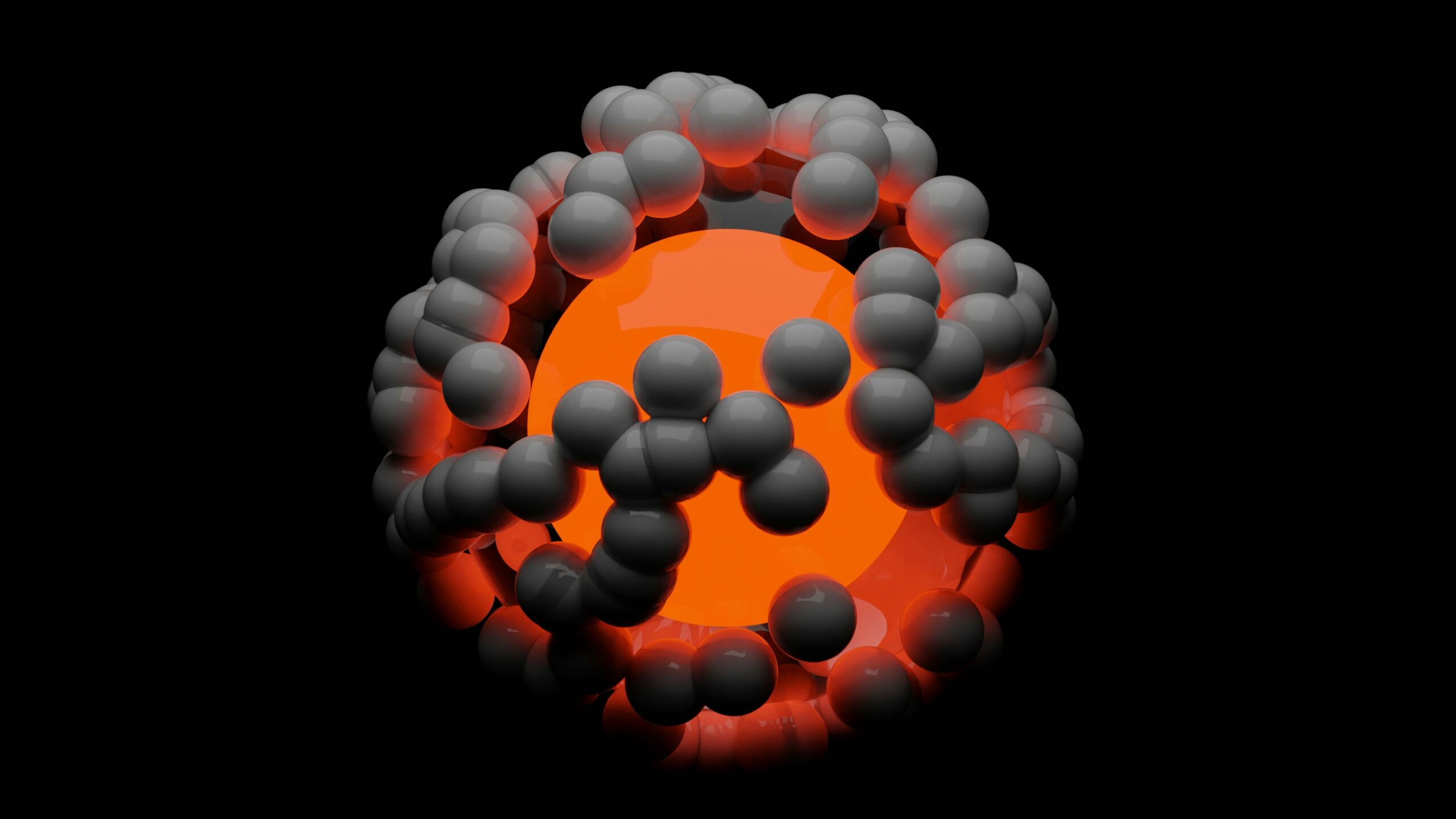
In 1985, scientists, based on spectrometric(?) observations of unknown chains of carbon molecules in interstellar gas clouds, were able to create a “hollow molecule” that they named a fullerene, or buckyball. The discovery went viral (no pun intended), and chemists and scientists started using fullerenes in all sorts of industries from medical to construction, which sound wonderful.
But – surprise, surprise – these nano-thingies, like micro-plastics, are ending up everywhere they weren’t supposed to be. Today, the world (land and water) is awash with chemicals that are destroying or seriously degrading life on (of?) the planet.
But then, after this cautionary tale of technology causing more harm than help, the author goes ga-ga over a new technology and the inventor of this technology. Liangbing Hu studied cellulosic fibers in wood, then promptly set about chemically altering wood to create “InventWood” that the author touts as this miracle product that will save the world. Apparently, to replace half the worldwide production of steel, we would need 25 million acres devoted to growing bamboo. Considering that steel production contributes to about 7% of global CO2 emissions, it would be useful to look at reducing that, but I’m still skeptical of technology mucking with nature to create something that has no side-effects.
Now Bing is exploiting the nature of cellulosic nanofibers. Maybe these nanofibers showing up everywhere they weren’t intended to be won’t pose as much of a danger to the world as carbon nanotubes.
Wait and see?
Leave a Reply