
Category: Earth
-

Overview I just finished reading “If anyone builds it, everyone dies” by Eliezer Yudkowski & Nate Soares. It’s an excellent fast-paced read, with an engaging style of writing. The book is set up very systematically like it’s written by the perfect mix of engineers, attorneys and storytellers. I am going to sum up each chapter…
-

In the culmination of this exploration of the flow of carbon through the universe, the earth and every mobile and immobile denizen of the planet, Hawken reiterates the contrast between the indigenous worldview – all of us, including land, plants and animals are inseparable – and the worldview the rest of us live in –…
-
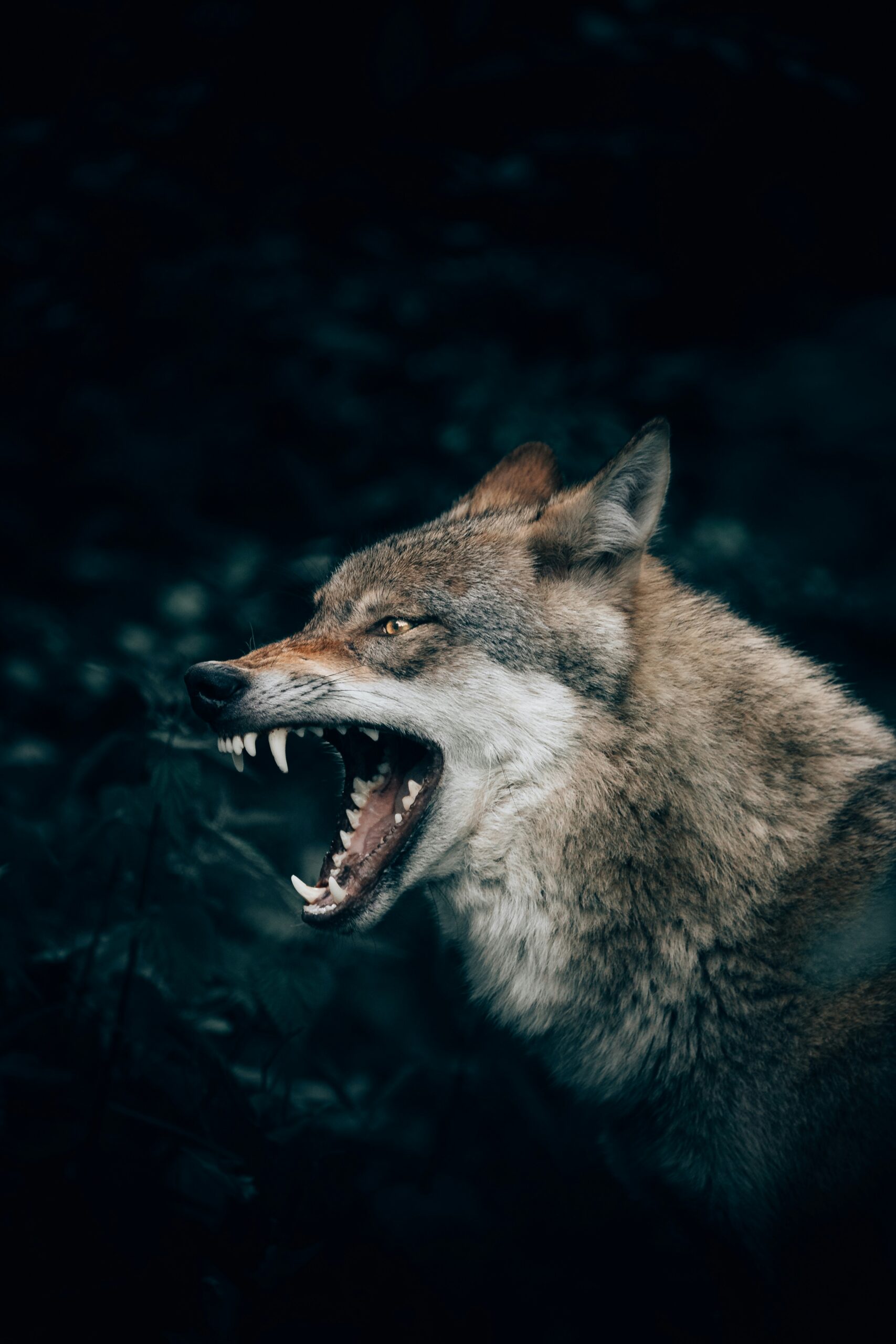
This chapter in my opinion is about “rewilding” the land. It recounts the story of the Knepp Estate, a 3500 acre “money-losing farm” in Sussex, England. After concerted attempts to use modern agriculture and cattle farming techniques and still losing money, the owners, Charlie Burrell and Isabella Tree, inspired by Frans Vera, a Dutch conservationist,…
-
This chapter gives soil the glory it deserves and has some gems of statements: “Science can analyze and sequence organisms found in the soil, but it cannot make soil.” Reminds me of a religious joke a neighbor’s kid told mine: God picks up some soil and makes a human out of it. He then asks…
-
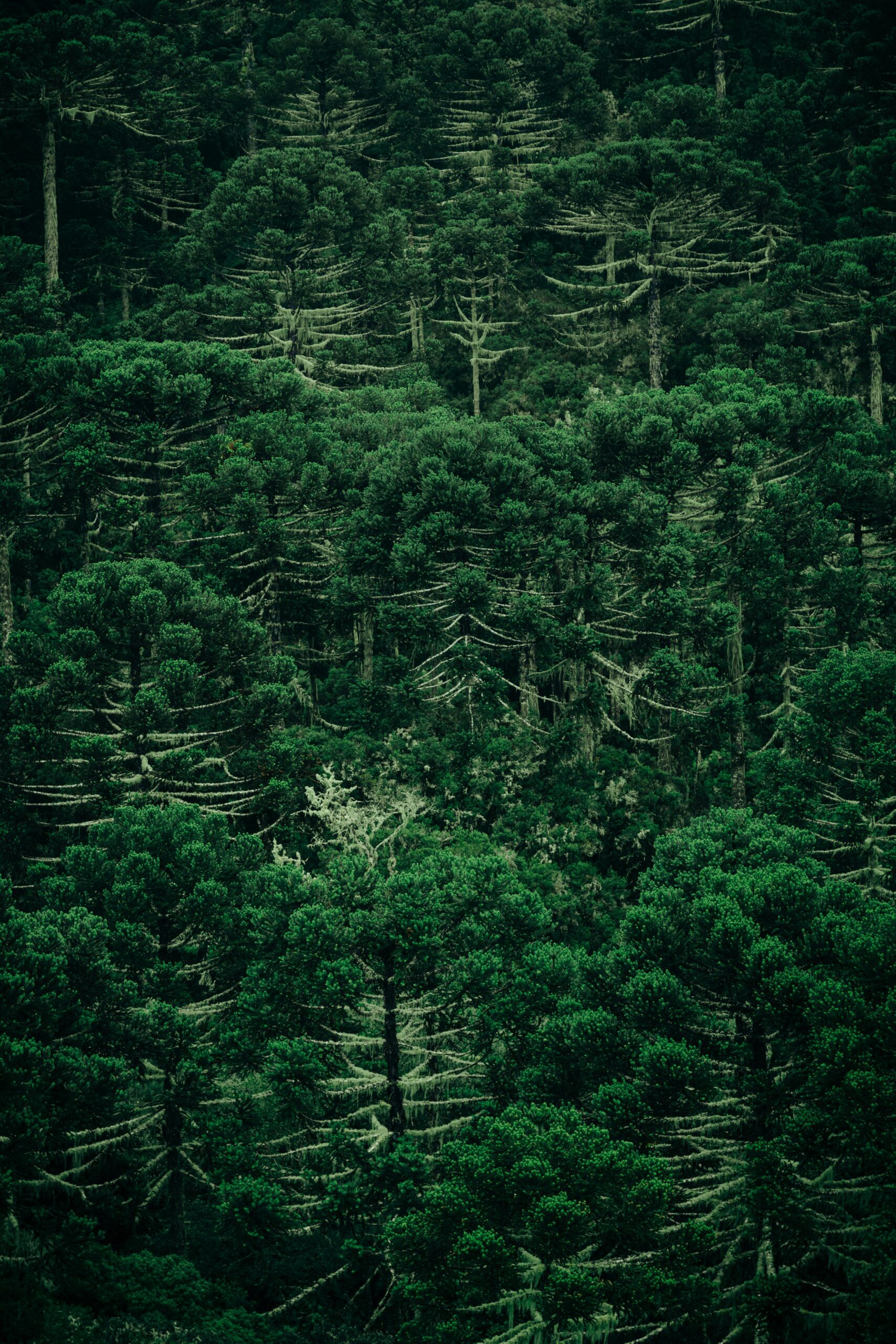
Forests preceded human life on earth by hundreds of millions of years. Everything seemed to have been gigantic back then: yard-long scorpions, eight-foot millipedes and 130- to 180- foot tall trees. (how do we know this?) Apparently, there was a lack of fungi and microbes back then? Doesn’t make sense – shouldn’t those things have…
-
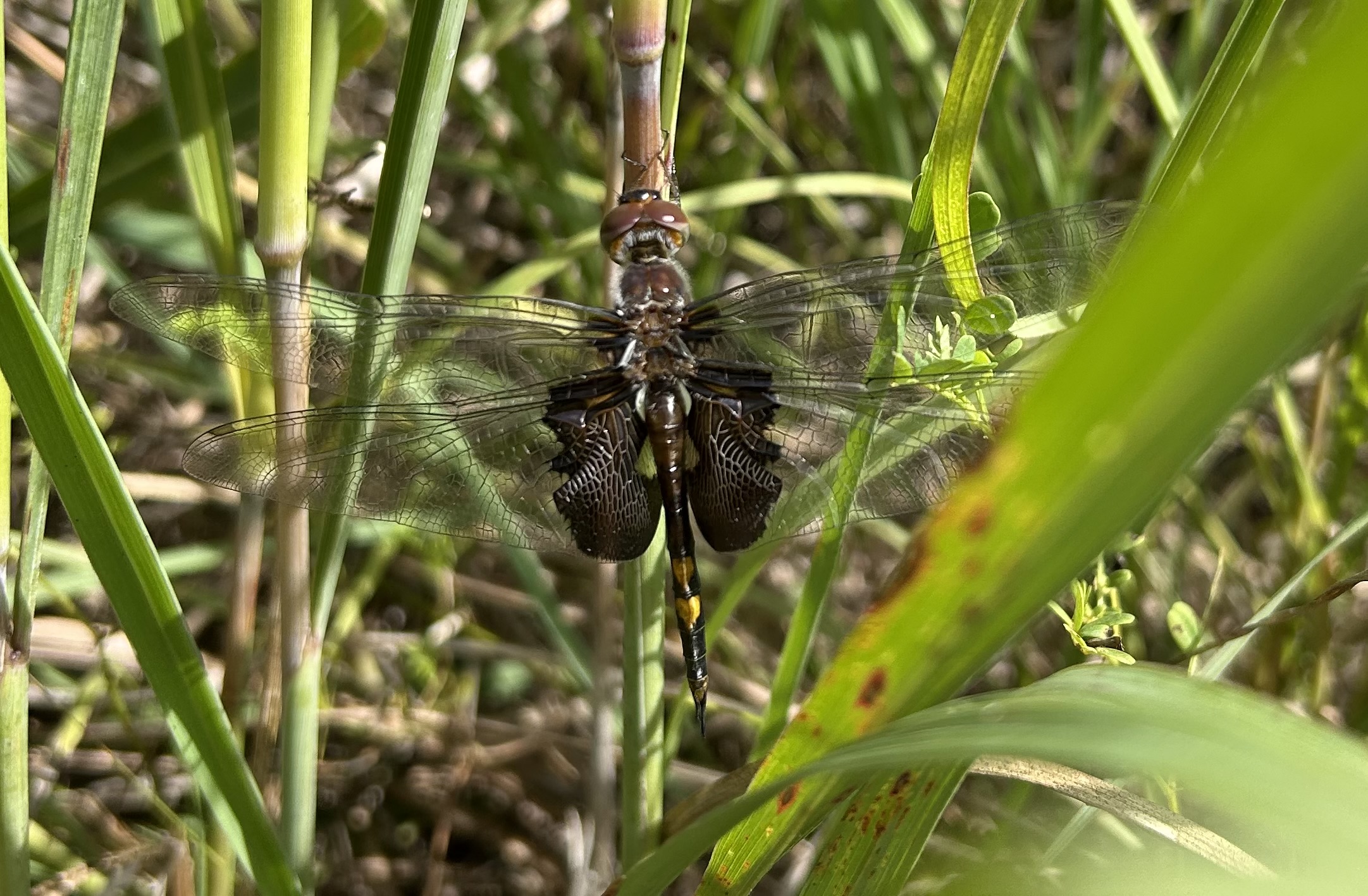
Dragonflies. I LOVE dragonflies. Even though I don’t approve of their blatant aerial intercourse practices. It’s interesting that apparently they spend only a few weeks of their lives in this beautiful aerodynamic form, while the vast majority of its life is spent in unglamorous earlier life stages. I wasn’t aware of their super-powered eyesight. Or…
-

We think language helps us accurately express what we see and think. But it’s a feedback loop in my opinion, and the language we speak affects how we see and think. The author gives the simple example of addresses being written “in reverse” in Japan. Which is funny, because even as a kid, I used…
-
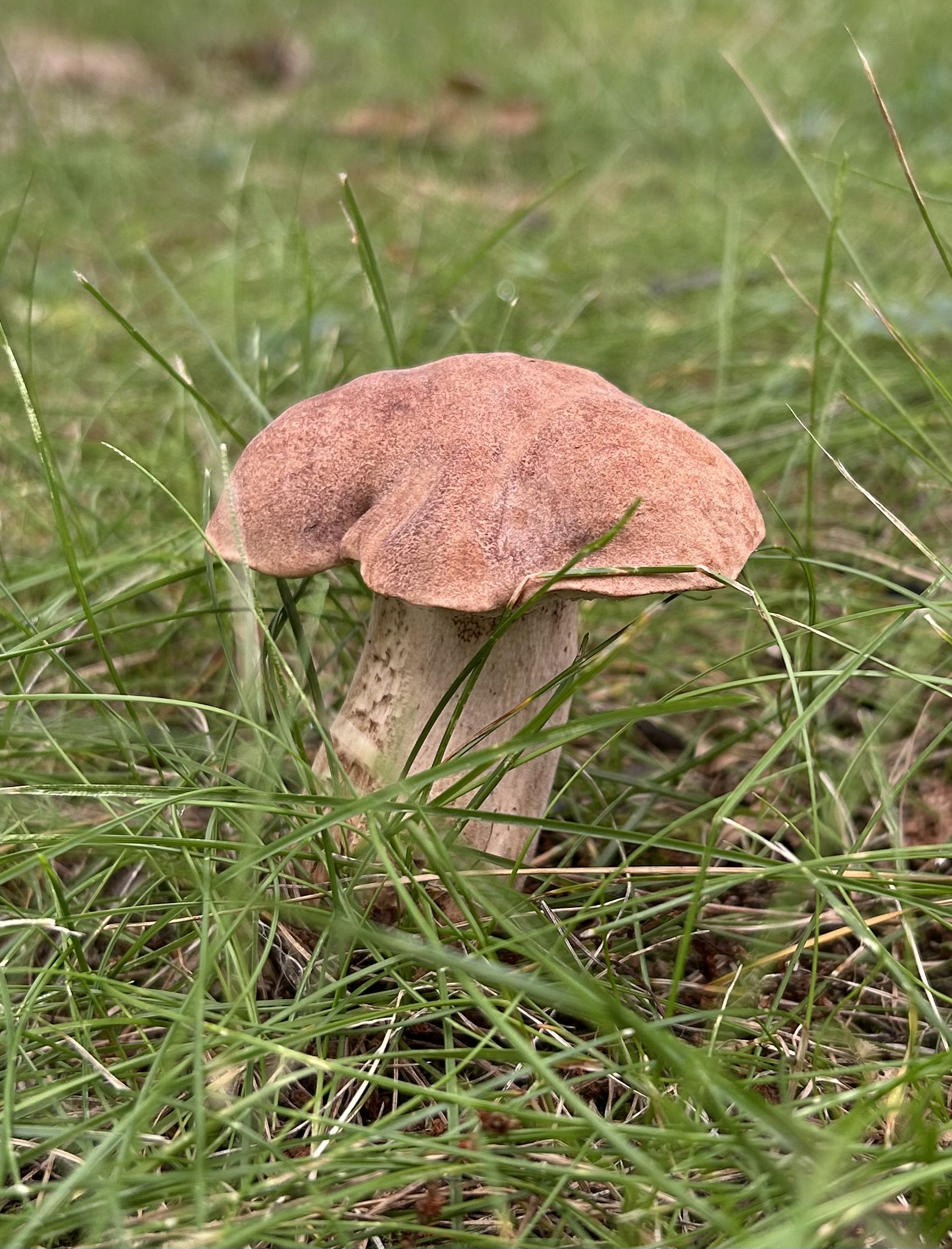
We then move from plants which are mostly above the ground down, through the roots, into the soil, and into the domain of fungi. “Fungi are the connective tissue of the planet.” If plants have been around hundreds of millions of years, fungi have been around for a billion. They are composters of all organic…
-
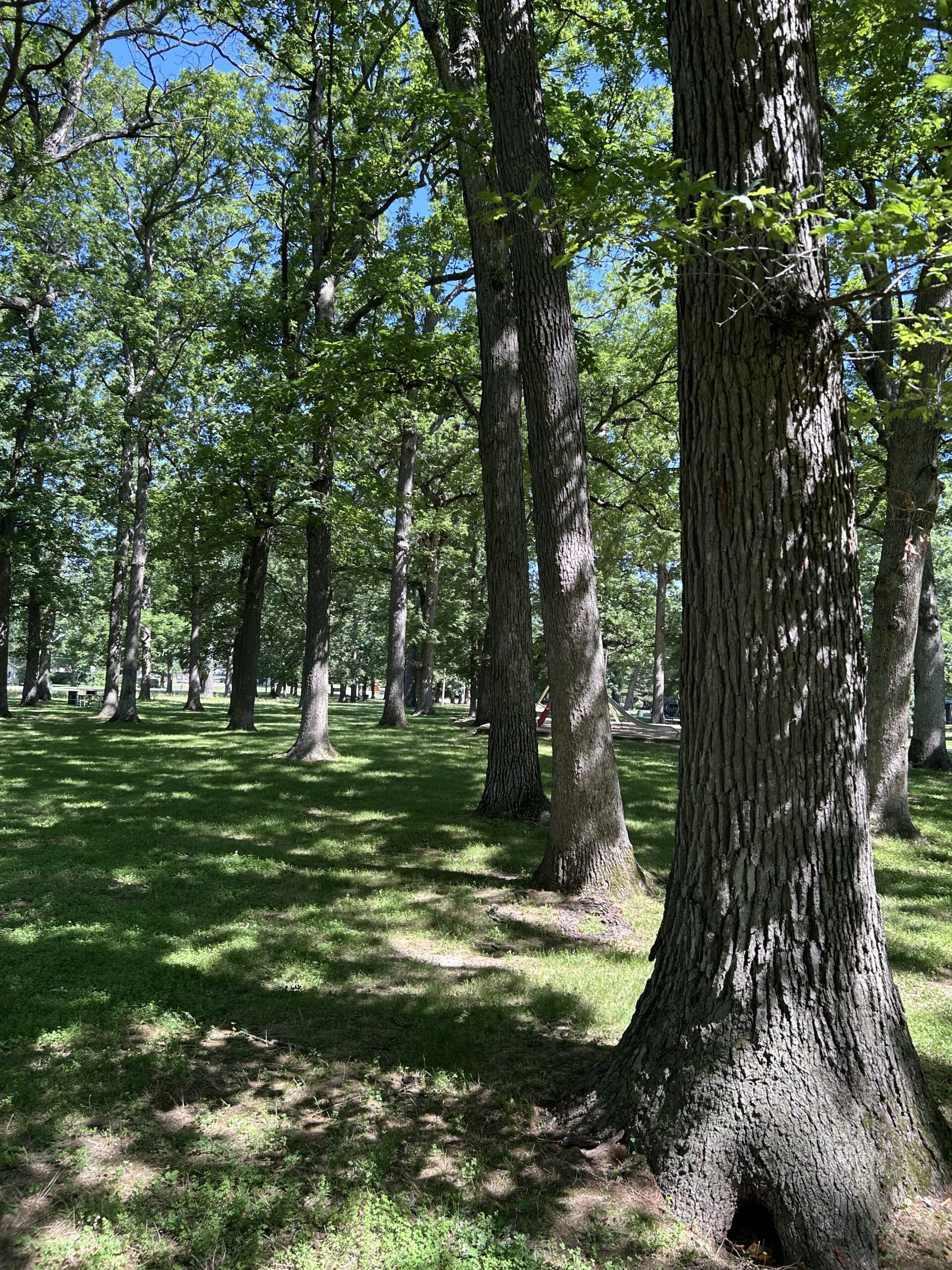
Possibly one of my favorite chapters, because it talks about one of my favorite topics: plants. Every amazing species of plant described in the first paragraph deserves to be looked up in DuckDuckGo (yes, ditch the monopolizing search giants), and marveled at. The latter half of the opening also accurately describes my despair about the…
-

SEVEN Bucky and Bing This to me is the most confusing chapter. The majority of the chapter is devoted to ideas and discoveries arising out of Buckminster Fuller’s observations. Fuller discovered that a bubble, or a dome could withstand the greatest load and contain more space, and require less material than any other structure. In…