
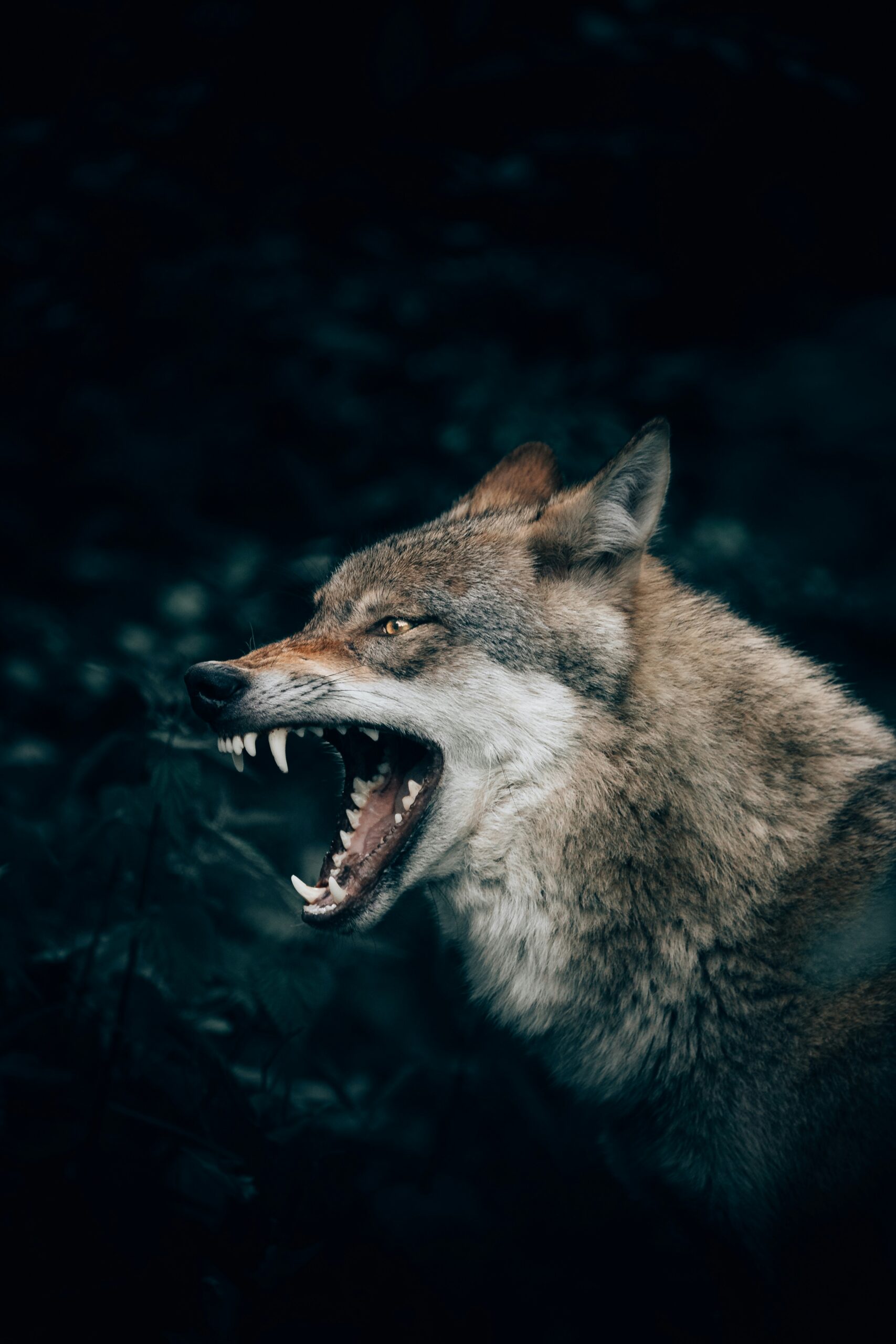
This chapter in my opinion is about “rewilding” the land. It recounts the story of the Knepp Estate, a 3500 acre “money-losing farm” in Sussex, England. After concerted attempts to use modern agriculture and cattle farming techniques and still losing money, the owners, Charlie Burrell and Isabella Tree, inspired by Frans Vera, a Dutch conservationist, and his controversial theory of “pristine nature” being open woodland pastures created by wild grazing animals, instead of old-growth forests, which the author ridicules as “fairy-tale forests of Snow White and the Brothers Grimm”.
Charlie and Isabella shut down the farm, sold off the cattle and machinery, and brought in animals related to species that once populated the UK and Europe. The gamble worked and Knepp turned into a haven for significant numbers of species.
Knepp’s success has been replicated in other countries in Europe.
Hawken then moves on to considering the scientific reductionistic principle of atomism: the idea that the world can be understood by studying its most minuscule particles, cells or atoms. Science is missing the forest for the trees, or missing “the song, the unheard symphony” that connects all of life together.
196 countries of the world ratified the declaration by the United Nations Convention on Biological Diversity that biodiversity should be conserved for the “sustainable use of its components…”.
The crux of all our problems is atomism applied to life – distancing ourselves from everyone else inhabiting the planet – animals, trees, soil, water – so we can objectify the rest of the world and justify its destruction for our short-term personal gain.
There’s another heartrending story of capturing young orcas to sell to aquariums. Murder, kidnapping and trafficking.
Closing words on this chapter that deeply resonate, first by the author:
“The unraveling of our home planet is a mental disorder in which thoughts, feelings and actions are so impaired they have no relationship to external reality.”
Wild is “the feeling of our feet as the earth, our eyes as the sky, our hearts like the headwaters, our breath the atmosphere.”
And the second by Bayo Akomolafe:
“Whatever you do, don’t try to make the world a better place; instead, consider that the world might be trying to make you a better place.”
Leave a Reply