
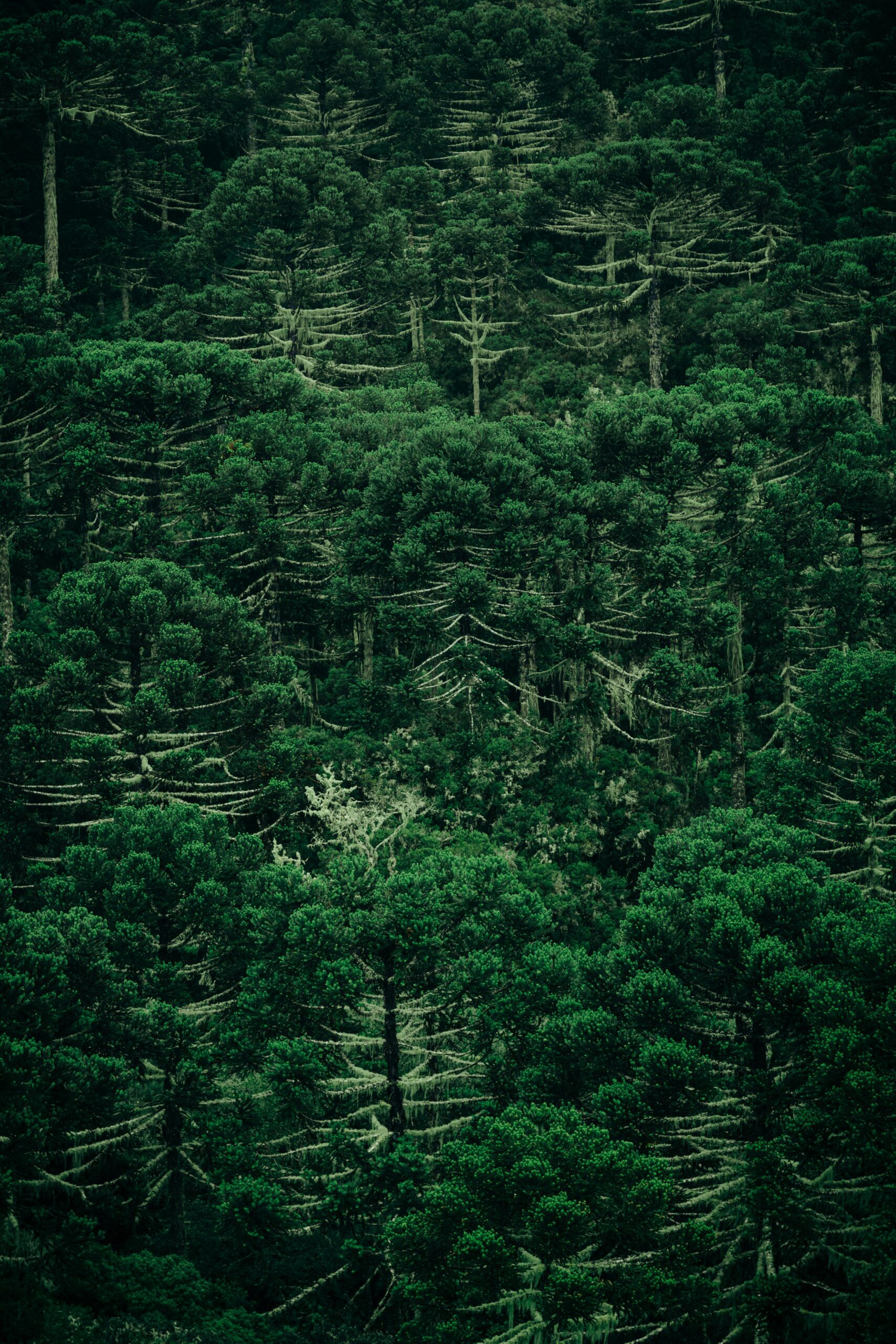
Forests preceded human life on earth by hundreds of millions of years. Everything seemed to have been gigantic back then: yard-long scorpions, eight-foot millipedes and 130- to 180- foot tall trees. (how do we know this?) Apparently, there was a lack of fungi and microbes back then? Doesn’t make sense – shouldn’t those things have been here before anything else? But because of their absence giant peat bogs accumulated and over millions of years were transformed into coal.
Then came the dinosaurs reigning supreme for 180 million years. That number seems longer than forever to me, but even that came to an end when someone threw a rock the size of Mt Everest at the earth, which was game over for almost all life on earth.
Nature steadily and patiently built back better. Unfortunately we humans have a cognitive bias dismissing plants and trees as inferior to other life-forms, resulting, according to Sarah Kaplan, in fewer resources being “devoted to the organisms that supply earth’s oxygen, feed its animals, and store more carbon than humanity will emit in 10 years.”
Green mass is migrating north as the equator gets too hot to handle, and polar ice caps melt. This happened in the Eemian period, 115- to 130,000 years ago, not because of an increase in atmospheric carbon, as climate deniers believe, but due to a “wobble event”; Serbian scientist Milutin Milankovitch discovered that the earth’s axis tilts toward and away from the sun over a 100,000 year cycle causing polar ice to expand and disappear. The author as well as Scandinavian Royalty traveled to an Arctic research station in the north of Greenland to understand what the future might look like for their countries. Unlike the warming periods due to the tilt event which took thousands of years, our changes will occur in decades, giving us very, very little time to react.
Magical deluded thinking from corporations that employ some of the smartest minds on the planet believe they can plant a trillion trees to sequester the emissions they prefer not to reduce. The small issue is that the carbon sequestration from those newly planted trees will take decades.
The most important terrestrial ecosystems are the five megaforests: the boreal forests of Canada and the Russian taiga; the Amazon; the Congo Basin; Papua New Guinea; and Indonesia, including Borneo. These forests are supported by the humans who live with their ancient green relatives.
Megaforests are roadless. Biologist Tom Lovejoy revealed how roads and pasture clearings caused a drastic reduction in species diversity and forest health.
I was surprised to read that “there is nothing permanent about forests; they come and go.” Right now, humans are focused on accelerating the “go” cycle for these megaforests as we use reverse alchemy to convert tree life into toilet paper. Protecting these megaforests is five to seven times less costly than reducing emissions or planting new forests – and therein lies the issue for our cannibalistic corporate capitalist culture. We want to spend BIG money on BIG efforts that will make us feel accomplished because we can’t feel anything. Much the same as the simple fact that a clean, green diet makes us healthy, but a billion dollar drug to just manage symptoms makes some of us obscenely rich.
The final quote from John Reid and Thomas Lovejoy is an imperative: “… to keep the megaforests … we need to care for the world as if it is family.” because it is. We simply won’t survive without them.
Leave a Reply