
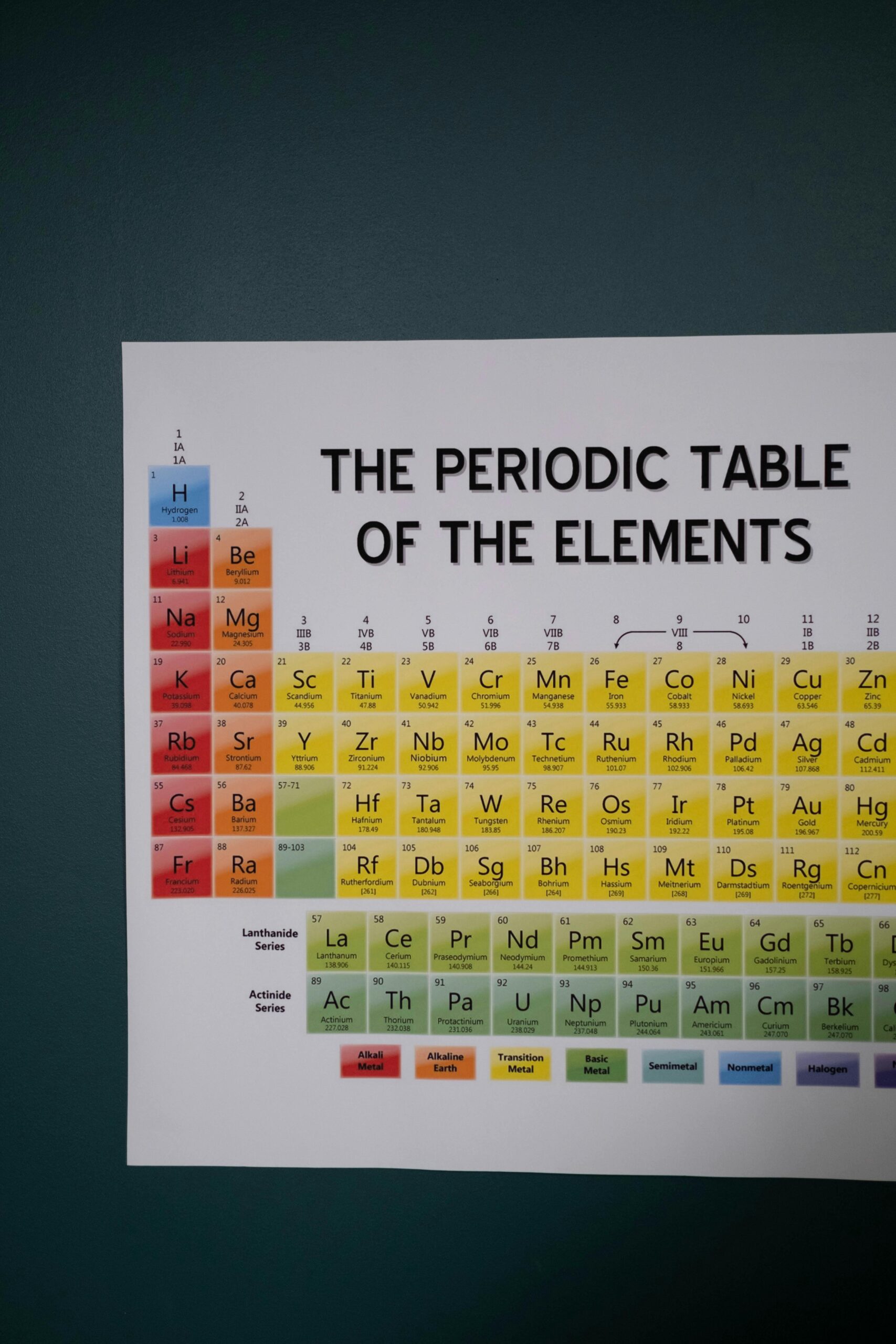
This chapter starts with Carbon, the element in the periodic table and its unique capacity to form molecular chains and, in turn, the underlying structure of all life on Earth. It then goes on to provide a brief history of all the scientists starting in the nineteenth century that predicted global warming:
- Joseph Fourier – French chemist (1824)
- Eunice Newton Foote – Amateur scientist and women’s rights activist (1856)
- Svante Arrhenius – Swedish physicist (1896)
It then goes back to carbon the element and the amount of carbon in the universe and on the earth but then moves to people not seeming to be concerned about viability of civilization, and choosing to ingest utterly irrelevant information about “celebrities, scandals, peccadilloes, and sports”.
It’s a communication failure according to science writer Matthew Shribman who sees the climate emergency being about the natural world. He mentions Shribman’s description of the nightly migration of copepods who nibble on phytoplankton, who in turn capture atmospheric carbon which drops to the bottom of the ocean in the form of copepod droppings and this is estimated to be the most significant carbon sink.
I question whether reframing the crisis as one of the natural world would motivate more people to act – we haven’t even learned to treat ourselves with more kindness, let alone other humans, let alone other mammals, let alone other animals, plants, oceans etc. etc. What are the chances that telling the common man about a reduction in copepods or extinction of a species they have never seen would propel them into action?
Then, instead of continuing to address the communication failure, Hawken moves on to asking how to increase and enhance the “stock and flow” of carbon. Carbon is intricately and inextricably linked to every cellular and microbial/bacterial process happening in our body.
The amount of carbon added to the atmosphere, going from 280 ppm to 425 ppm is a pittance (0.00004 %) compared to the total stock on earth, which, according to Hawken, justifies doubt about its harmful effects. To counter that, he cites the fact that hormones (estrogen etc.) in the human body amount to one hundredth of a drop of water, but determine our mood, weight, libido etc.
With all due respect, if there’s anything that’s less obvious in terms of cause and effect than the rise of CO2 levels in the atmosphere and planetary harm, it’s the change in hormones in my body and its effect on me.
The chapter ends by saying on the one hand that we can tip the stock and flow of carbon by attending to the “entirety of flows – microbes to cells, fungi to plants…”, but on the other hand saying we need to address “resource extraction, wealth concentration, financial hegemony” etc. none of which to me seem to be directly about the flow of carbon; rather they are about climate/social justice.
Leave a Reply